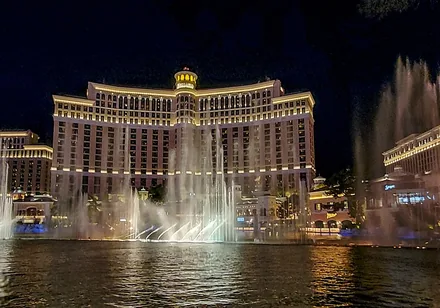
Casino destinations rarely last because the slot machines or table games are newer than a competitor's. They last because they become places people choose for a weekend, a business trip or a night out even when gambling is not the main reason for the visit.
Longevity depends on a mix of location, patient capital investment, regulatory stability, community acceptance and a steady pipeline of non-gaming attractions. The properties that endure treat the casino floor as one part of a larger hospitality ecosystem, not as the entire product.
Why location and access still decide the baseline
A casino destination can have excellent restaurants and a well-maintained floor, but if travelers cannot reach it easily, those assets do not produce repeat business. Location shapes the size and frequency of the potential customer base. A property near a major highway interchange, a busy airport or a dense residential corridor starts with a structural advantage that no marketing campaign can fully replace.
Different locations support different models. A tourist-heavy market may draw visitors who come primarily for leisure and stay multiple nights. A regional market may depend on a drive-in population that visits for a few hours and returns weekly or monthly. Both can work, but they require different investment and amenity strategies. A coastal or mountain destination may need to plan for seasonal swings, while an urban location may rely on business travelers and local residents.
Access also changes over time. New highways, airport expansions, bridge repairs and competing routes can shift traffic patterns and hurt a property that once seemed ideally located. Successful destinations monitor infrastructure plans and work with local governments to ensure that entry and exit remain convenient. Industry analysis generally regards accessibility as an important factor in visitation. This is part of the broader economic impact of a casino: its fortunes are tied to the regional transportation network.
The shift from a casino floor to a full destination
Early casino properties often measured success by how long customers stayed on the gaming floor. Modern destinations invert that logic. The gaming floor becomes an anchor that draws people in, while restaurants, hotel rooms, entertainment venues, meeting space, retail and outdoor amenities give them reasons to stay longer and return for non-gambling purposes.
This is sometimes called the integrated resort model. An integrated resort combines gaming with a wide range of hospitality and entertainment offerings under one management structure. The goal is to capture spending across multiple categories and reduce dependence on any single revenue stream. A convention group, for example, may use meeting rooms, hotel rooms and restaurants with only modest gaming activity, but that group still contributes to the property's overall performance.
Non-gaming amenities also change the visitor mix. A couple attending a concert may not gamble at all, but they may return for another show and eventually try the casino floor. A family staying for a youth sports tournament may use the pool and food court, generating revenue without any gaming. By broadening the appeal, a destination protects itself when gaming demand softens. The modern casino guest experience is therefore about much more than the machines and tables.
Why reinvestment must be continuous, not one-time
A grand opening creates attention, but the novelty fades. Competitors renovate, new properties open and customer expectations rise. A destination that does not reinvest in its rooms, public spaces, technology and dining options gradually loses its ability to command premium prices or attract new customers.
Capital expenditure is a normal part of the casino business cycle. Operators set aside funds for room refurbishment, gaming equipment replacement, kitchen upgrades, technology infrastructure and aesthetic refreshments. A property that defers maintenance may save money in the short term, but it often pays later through lower occupancy, declining guest satisfaction and a reputation for being tired. Investors and analysts look at capital spending patterns when evaluating whether a destination is being managed for the long term. Reading casino financial reports can reveal whether a company is reinvesting enough to remain competitive.
Reinvestment is not only about physical assets. Technology upgrades, such as mobile check-in, cashless payment options, digital loyalty platforms and modern security systems, can improve both efficiency and the guest experience. The economics of the casino floor increasingly include whether technology makes play more convenient and transparent, which affects how long visitors stay and how likely they are to return.
How regulation and community license shape long-term stability
A casino destination can have the best location and amenities, but if its legal status is unstable, long-term success is unlikely. In the United States, casino gaming is legalized and regulated state by state; there is no federal casino license. That means every destination operates under a specific set of state rules, local ordinances and, in some cases, tribal gaming compacts.
The Indian Gaming Regulatory Act of 1988, or IGRA, created Class I, II and III gaming for tribal lands. Class III gaming, which includes most casino-style games, generally requires a tribal-state compact approved by the Secretary of the Interior. The National Indian Gaming Commission is the federal regulator for tribal gaming. This framework can provide long-term certainty when compacts are stable and relationships between tribes and states are cooperative.
Commercial casinos, by contrast, operate under state licensing regimes that may require periodic renewal, background checks and detailed reporting. Local host communities often negotiate agreements that cover taxes, infrastructure contributions, public safety costs and problem gambling services. A destination that honors those commitments and communicates openly with local officials is more likely to secure the regulatory support it needs to expand or adapt over time. How casino regulation shapes local economies explains why the legal environment is as important as the physical one.
The role of local workforce, infrastructure and partnerships
Hospitality is a people business. A casino destination cannot last if it cannot recruit, train and retain enough workers to provide consistent service. High turnover leads to longer lines, slower restaurant service, less attentive housekeeping and a general decline in the guest experience. Destinations that invest in workforce development, competitive wages, career paths and employee housing or transportation support tend to build a more stable labor pool.
Infrastructure matters beyond the casino's own walls. Roads, water systems, wastewater treatment, public transit, emergency services and broadband all affect how well a destination functions. In many cases, casinos partner with local governments to fund or improve these systems. Such partnerships can reduce political friction and make the broader community a stakeholder in the destination's success. The role of casinos in regional development often depends on whether the public and private sectors work together on shared infrastructure.
Local partnerships also extend to small businesses, cultural institutions, restaurants and event venues that are not part of the casino property. When a casino supports local suppliers and cross-promotes nearby attractions, it helps create a destination ecosystem that offers visitors more than one reason to come. That ecosystem is harder for a competitor to replicate than a single casino building.
What repeat visitors actually look for
Repeat visitors are the foundation of lasting casino destinations. Understanding what brings them back is more useful than chasing one-time tourists. Across different markets, repeat customers tend to value the same basic things:
- Predictable quality: clean rooms, working elevators, clear signage and consistent service standards.
- Convenient access: easy parking or transit, short walking distances and logical property layout.
- A mix of price points: dining and room options for different budgets so no group feels excluded.
- Reasons to return: seasonal events, tournaments, concerts, new restaurant openings or loyalty promotions.
- Visible responsible gambling resources: clear information about limits, self-exclusion and help lines builds trust and maturity.
- Efficient loyalty recognition: guests want their play and spending acknowledged without excessive friction or unwanted marketing.
These expectations may seem obvious, but they require continuous operational discipline. A destination that fails on cleanliness or service during a busy weekend risks losing a customer who might otherwise have returned monthly for years. Responsible gambling resources, such as those provided by the National Council on Problem Gambling, are an increasingly expected part of a mature property's guest-facing materials, alongside information about 1-800-GAMBLER.
A comparison of destination types and their staying power
Not all casino destinations face the same pressures. The table below compares three common archetypes based on how each typically balances demand, amenities and risk.
| Archetype | Primary demand source | Core non-gaming needs | Key longevity risk | Typical reinvestment focus |
|---|---|---|---|---|
| Tourist hub destination | Air and long-distance visitors, conventions | Hotels, entertainment venues, dining variety, meeting space | Economic downturns, air travel disruptions, overbuilding | Marquee attractions, room product, guest experience technology |
| Regional drive-market casino | Local and day-trip customers within a few hours | Convenient parking, casual dining, modest hotel, promotions | New competitors closer to population centers | Gaming floor efficiency, loyalty programs, quick service improvements |
| Tribal gaming destination | Regional and some tourist demand, often tied to tribal lands | Cultural amenities, community facilities, hotels if market supports them | Compact disputes, infrastructure limitations, political shifts | Community development, workforce training, diversified revenue |
These categories are not strict. Many properties blend elements of each. What matters is that the destination's leadership understands which demand sources are most important and invests accordingly. A property that tries to be everything to everyone often dilutes its identity and spends capital on amenities its core customers do not use.
The long game is a local game
Casino destinations that last do not simply extract revenue from a market. They become part of the market. They create jobs, support local suppliers, contribute to public infrastructure and offer places where people gather even when they are not gambling. That local integration builds political and social capital, which in turn makes it easier to navigate economic cycles, regulatory reviews and competitive threats.
Lasting success is rarely the result of a single decision. It comes from a pattern of small choices: keeping the property clean, treating employees well, reinvesting before decline becomes visible, and staying responsive to how visitors actually want to spend their time. The gaming floor may still generate most of the revenue, but the reasons people return are almost always bigger than the games themselves.
For readers who want to understand how these pieces fit together, continued coverage of casino economics, regulation and guest behavior is available in the Perspectives section. And for anyone who chooses to gamble, the national helpline 1-800-GAMBLER is available as a resource.