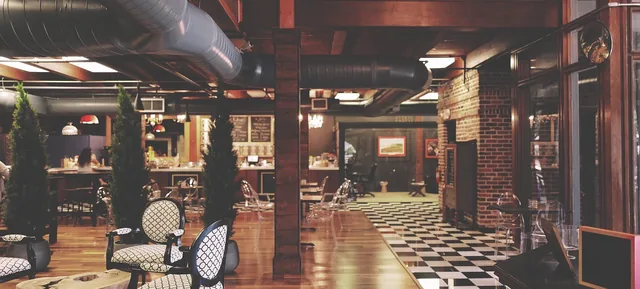
The modern casino guest experience is broader than the gaming floor. Casinos increasingly function as entertainment resorts where dining, live shows, pools, spas, meetings, and design matter as much as slot machines and table games.
That shift is not accidental. Operators are responding to a wider mix of visitors, including business travelers, couples, families in some jurisdictions, and people who may never place a bet but still spend on restaurants, hotels, and events.
What counts as a casino resort today?
A casino resort is a licensed gambling property that also offers substantial non-gaming amenities. The exact mix depends on location, local regulation, and market size.
In many states, what used to be called a casino is now an integrated resort: a hotel, convention space, multiple restaurants, entertainment venues, retail, and often outdoor recreation or wellness facilities. Some tribal properties follow a similar model, though tribal gaming is regulated under the Indian Gaming Regulatory Act (IGRA), with the National Indian Gaming Commission serving as the federal regulator and Class III gaming requiring a tribal-state compact approved by the Secretary of the Interior.
State and local rules shape that mix. How casino regulation shapes local economies helps explain why seemingly similar properties can offer very different amenities depending on where they are located.
Common non-gaming amenities include:
- Multiple dining options, from casual food halls to fine dining
- Live entertainment venues for concerts, comedy, and residency shows
- Spas, fitness centers, and pools
- Meeting and convention space
- Retail and nightlife venues
- Golf, bowling, or other recreation depending on the property
The table below compares a traditional casino visit with a modern resort visit in general terms. Individual properties will fall somewhere on this spectrum.
| Aspect | Traditional casino visit | Modern resort visit |
|---|---|---|
| Primary draw | Gaming floor | Mix of gaming, dining, entertainment, meetings |
| Guest profile | Gamblers | Gamblers, non-gamblers, business travelers, families where allowed |
| Design focus | Keep guests in gaming area | Open flow among zones; clear separation where needed |
| Technology | Players club cards, paper tickets | Mobile apps, digital wallets, cashless options where legal |
| Loyalty value | Based on play | Based on total spend across property |
| Responsible gambling | Limited signage or helpline | Integrated messaging, limits, trained staff, self-exclusion |
How design and flow shape the visit
Modern resort design intentionally moves guests between gaming and non-gaming zones. The goal is to make the property feel welcoming to non-gamblers while keeping gaming accessible to those who want it.
Many properties use natural light, open lobbies, and clear sightlines to reduce the sense of being trapped on a gaming floor. Hotels and restaurants may have separate entrances, and family-friendly areas are often physically separated from gaming areas where age restrictions apply.
This balance is a major factor in whether a property becomes a lasting destination rather than a place people visit once. What makes a casino destination last often comes down to design choices that serve many different kinds of visits.
Sound, lighting, and navigation cues also matter. Casinos are typically designed to keep players comfortable for long periods, but a modern resort wants visitors to move easily to a restaurant, theater, or hotel tower without confusion.
Why dining and entertainment are central
Food and beverage and live entertainment are no longer add-ons. They are core parts of the business and guest experience, and they often generate independent demand from local residents and tourists.
A property may host a touring show or a well-known restaurant concept, but a modern casino does not need celebrity branding to succeed. What matters is consistency, quality, and variety across price points. The economics have shifted: the casino floor may still produce a large share of revenue, but the economics of the casino floor now interact with hotel occupancy, restaurant covers, and ticket sales.
Entertainment also extends the length of stay. A visitor who comes for dinner and a show is more likely to stay overnight or return, even if they do not gamble.
Many resorts now offer a range of venues under one roof: a quick-service food hall, a mid-tier steakhouse, and a fine-dining room. That range helps attract convention groups, weekend visitors, and locals on different budgets.
How technology changes the guest journey
Technology increasingly shapes the entire trip, from booking to checkout. Mobile apps may handle hotel check-in, restaurant reservations, event tickets, and loyalty accounts.
On the gaming floor, cashless wagering and digital payments are available in some states, but rules differ widely. Some jurisdictions require guests to opt in or impose limits. The growing role of technology in modern casinos is less about replacing people and more about reducing friction: shorter lines, faster service, and personalized offers.
Behind the scenes, operators use reservation systems, table management, and guest feedback tools to adjust staffing and service. Guests may notice fewer waits at peak times or more relevant promotions in their app.
However, guests should read the terms of any loyalty or cashless program. Digital convenience can involve data collection, and state regulators may set different privacy and security requirements. Cashless gaming also raises responsible gambling questions because it can make spending feel less tangible.
Loyalty programs and the non-gaming guest
Loyalty programs were traditionally tied to play. Today many programs award points for hotel stays, dining, entertainment, and retail spending, not only gambling.
This change matters because loyalty data helps operators understand visitor behavior. A guest who never gambles may still be valuable if they dine often or book meeting space. Programs may offer tiered benefits such as room upgrades, priority reservations, or event access.
Because program rules vary by property and state, it is worth checking whether points expire, how they are earned, and whether non-gaming activity qualifies at the same rate as play. Some properties offer a single loyalty account across the resort, while others keep gaming and non-gaming activity separate.
What responsible gambling looks like on a modern property
Responsible gambling is part of the modern guest experience, even for people who never reach the casino floor. Properties are expected to provide clear information about odds, problem-gambling resources, and self-exclusion options where available.
In the United States, the National Council on Problem Gambling supports help through 1-800-GAMBLER and its website. Many state regulators also require visible responsible gambling messaging, staff training, and limits on certain promotions.
For guests, that means a modern property should make it easy to set limits, take breaks, or ask for help. A well-designed resort treats responsible gambling as part of the experience rather than an afterthought.
Guests who want to plan ahead can look for a property’s responsible gambling page, on-site signage, or a dedicated host to understand what tools are available.
What the next generation of casino visits looks like
The guest experience will continue to broaden. The most competitive properties are not just gambling halls with hotel rooms; they are destinations where people choose to spend time for many reasons.
For visitors, that means more choice, but also more to evaluate. Understanding the full mix of design, dining, entertainment, technology, and responsible gambling can help any guest make better decisions about where to go and what to expect.
Casinos also play a larger role in their local economies, which is why how casinos drive broader economic impact matters beyond the guest's own bill.